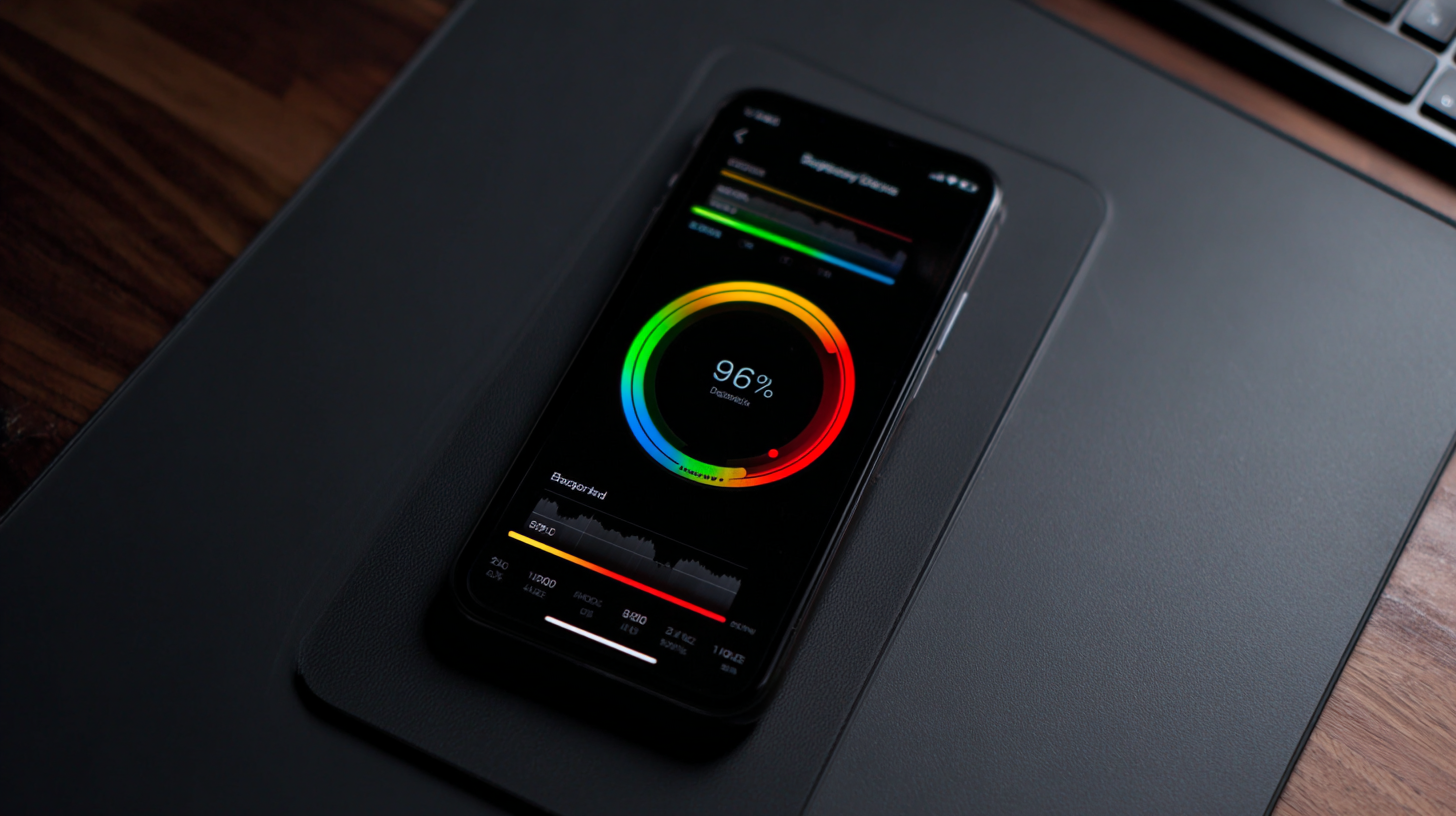
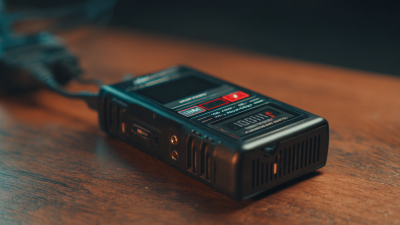
In today’s super fast-changing digital world, keeping your devices running smoothly is more important than ever — and batteries play a huge role in that. I mean, recent reports show that around 70% of smartphone owners have dealt with battery problems at some point, which really highlights why having a good Battery Health Checker is such a game-changer.
As tech has stepped up its game, so have the tools we use to check how healthy our batteries are — helping us squeeze every bit of life and performance out of our gadgets. Shenzhen Hongda New Energy Co., Ltd. has been leading the charge in this space since it started, offering innovative energy solutions that have reached over a thousand customers around the world. With access to advanced battery health checks, people can avoid those frustrating unexpected shutdowns and keep their devices running without a hitch. That way, it’s easier to stay productive and get through the day without a hiccup.
Understanding Battery Health: Key Metrics That Matter
Getting a good grip on your battery's health is super important if you wanna keep your devices running smoothly — whether it’s your smartphone, laptop, or even an electric car. There are a few key things to keep an eye on: cycle count, capacity, and voltage. So, cycle count basically tells you how many full charges and discharges your battery has gone through — the more cycles, the closer it might be to aging out. Capacity shows you how much charge it can hold now compared to when it was brand new, and voltage gives you a snapshot of how it’s doing at the moment. Keep tabs on these numbers, and you’ll be in a much better position to decide if it’s time for a replacement or some maintenance.
Here’s a quick tip: try not to expose your battery to super hot or cold temps while charging or discharging — it can really wear things out. Also, keeping your device’s battery between around 20% and 80% charge can help extend its lifespan. And hey, don’t forget to check your battery health from time to time using some of those handy apps — they can alert you early if something’s off.
For those with electric vehicles, it’s worth thinking about the long game. Focusing on keeping the battery healthy and durable is probably more valuable than just chasing that max range per charge. Basically, taking good care of your battery means better performance, more savings in the long run, and a more sustainable setup overall.
Top 12 Battery Health Checkers: Features and Benefits Explained
When it comes to getting the best performance out of your device, knowing about your battery’s health is pretty important. I recently read a study from Battery University that said almost 30% of smartphone users notice their battery isn’t holding as much charge after just a year of regular use. Crazy, right? To help avoid that, using a battery health checker can make a real difference—not just for how long your battery lasts, but also for keeping your phone running smoothly overall. These tools give you a peek into things like charge cycles, how much capacity has eroded, and other key stuff that affects performance.
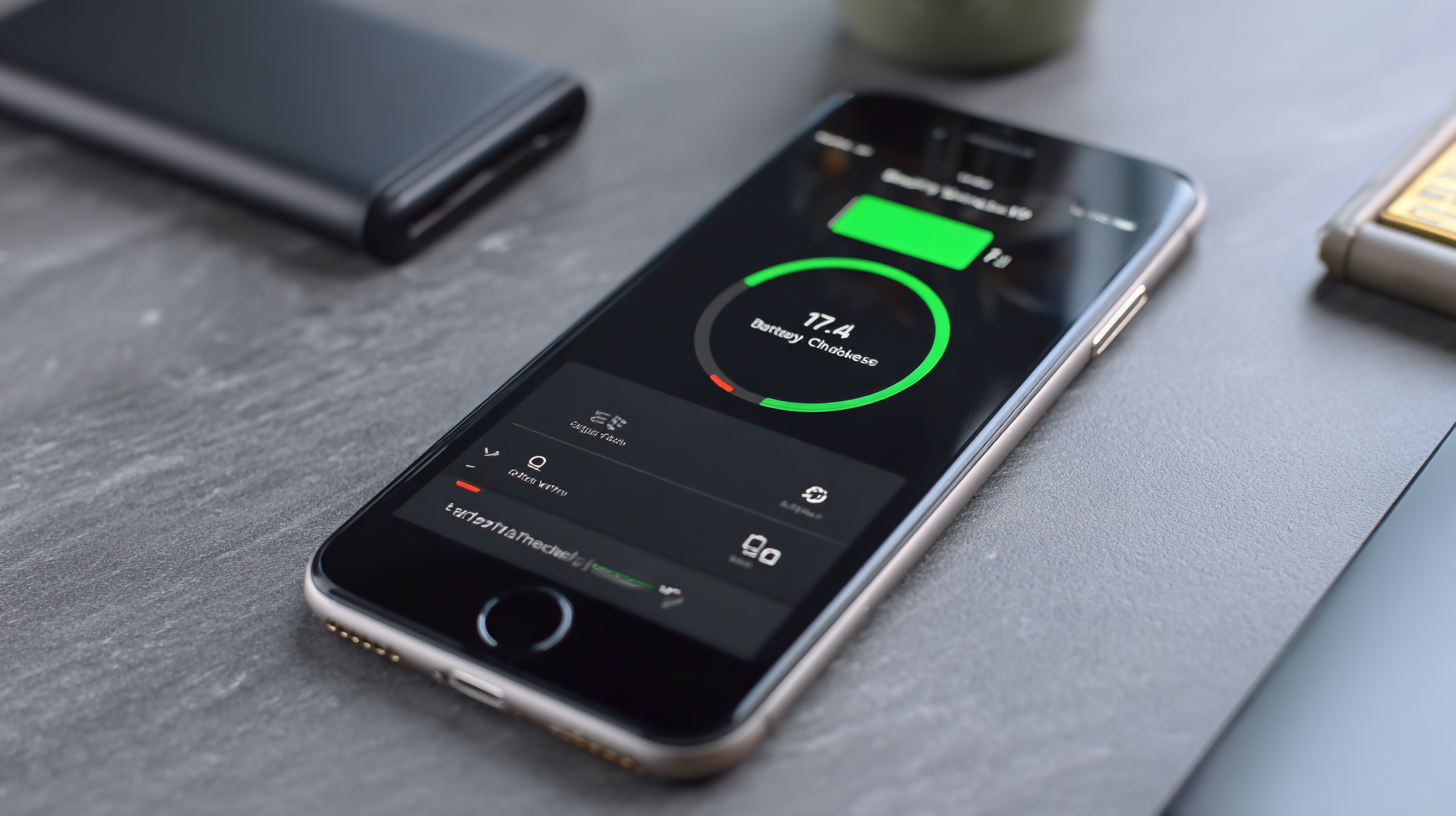
Some of the popular apps out there, like AccuBattery and Battery Guru, really stand out because they give you real-time updates and detailed insights. For example, AccuBattery even says that monitoring your battery regularly can boost its lifespan by up to 200%! Plus, a lot of these checkers suggest ways to charge more effectively and manage your usage better—because, let’s be honest, wrong charging habits can speed up battery wear. By using these handy tools, you can make sure you're squeezing every bit of performance out of your device while also extending the battery’s life. It’s like giving your phone a little extra TLC, you know?
How to Interpret Battery Health Data for Optimal Device Performance
Understanding your battery’s health really matters if you want your device to run smoothly and last longer. I came across a report from Battery University that says if you manage your battery wisely, you can actually extend its lifespan from around 2 or 3 years up to five years – pretty impressive, right? So, the trick is to keep an eye on how your battery is doing. By checking things like cycle count—that’s just how many times you’ve fully charged and drained the battery—and the overall capacity percentage, you’ll get a good sense of whether it’s still performing well or if it’s starting to show signs of wear.
To get a real grip on your battery’s condition, it helps to understand the difference between the design capacity (that’s when the battery was new) and what it can hold now. If your battery is still holding about 80% of its original capacity, it’s usually considered pretty healthy. But if it drops below that, it’s a sign you might want to take some action. Interestingly, a study from CNET mentioned that folks who keep tabs on their battery health and change their charging habits—like avoiding super hot or cold environments and not constantly topping off to 100%—see their devices perform better overall and have fewer unexpected shutdowns. Being proactive about this stuff not only makes your daily use smoother but also helps out with reducing e-waste, which is a win-win in my book.
12 Best Battery Health Checkers to Maximize Your Device Performance
| Checker Name | Platform | Key Features | Battery Health Indicator | User Rating |
| Battery Guru | Android | Detailed stats, charge cycles, temperature monitoring | Good | 4.5/5 |
| CoconutBattery | Mac | Battery info, usage history, charge cycles | Excellent | 4.8/5 |
| AccuBattery | Android | Charge time estimates, battery charge stats | Fair | 4.6/5 |
| Battery Life Doctor Pro | iOS | Power saving tips, usage stats | Good | 4.4/5 |
| GSM Battery Monitor
| Android | Battery temperature, health status | Moderate | 4.2/5 |
| BatteryMon | Windows | Real-time updates, detailed graphs | Very Good | 4.7/5 |
| Battery Health 3 | iOS | Comprehensive statistics, usage predictions | Excellent | 4.9/5 |
| HWMonitor | Windows | System monitoring, battery stats | Good | 4.3/5 |
| Baterry Care | Windows | Custom alerts, battery longevity features | Fair | 4.0/5 |
| Battery Report | Web-based | Simple check, user-friendly | Good | 4.4/5 |
Industry Insights: Average Battery Lifespan and What Affects It
You know, the battery life of your device really plays a huge role in how well it performs and how easy it is to use. I read somewhere—thanks to a report from the International Energy Agency—that most smartphone batteries last around 2 to 3 years before they start losing a bunch of their capacity. But keep in mind, stuff like how many times you charge it, the temperature it’s kept in, and how you use it day-to-day can really make a difference. For example, Cadex Electronics did a study and found that exposing your battery to high heat can cut its lifespan by about 30%. So yeah, taking good care of your device and being mindful about these things definitely helps.
Battery Health Checkers Comparison
This chart compares the battery health percentages of various battery health checkers, highlighting their performance metrics. A higher percentage indicates better battery health, which can contribute to maximized device performance and longevity.
Tips to Extend Your Device's Battery Life for Long-Term Use
If you wanna get the most out of your device's battery over the long haul, there are some simple tricks you might wanna try. For one, how you charge your phone really matters. Sure, it’s tempting to plug in and let it hit 100%, but keeping it around 80% can actually do wonders for its battery life. This way, you’re dodging those full charge cycles that can wear it out faster. Oh, and don’t let your battery drain completely down to zero—that’s a surefire way to hurt it. Instead, it’s better to top up before it dips below 20%.
Also, fiddling with a few settings on your device can make a noticeable difference. Turning on power saver mode, for example, can cut down on background activity and make your screen less bright, which helps stretch out that battery life. It’s also a good idea to switch off location services and notifications when you don’t really need them — those little things can drain your battery more than you’d think. Regular updates to your OS are worth it too since they often come with fixes and improvements that make your device run more efficiently. If you follow these kinda everyday tips, your battery will stay healthier longer, and you’ll get through more of your day without constantly hunting for a charger.
Enhancing Battery Performance: Insights from Recent Industry Reports on Precision Battery Test Racks for Capacity & Internal Resistance Measurement
Battery performance is crucial in today's technology-driven world, particularly as industries increasingly rely on advanced energy storage solutions. Recent industry reports highlight the importance of precise testing for key parameters such as capacity and internal resistance, which are pivotal for ensuring the reliability and efficiency of battery systems. Precision battery test racks have emerged as essential tools for manufacturers aiming to enhance battery performance and longevity.
The 30U cabinet stands out in this arena, offering an extensive testing capacity that caters to industrial-grade battery applications. Supporting a voltage range of 60V to 150V, this cabinet can accommodate up to 48 channels for simultaneous testing, significantly increasing throughput and reducing the time required for comprehensive battery evaluations. According to recent data, effective measurement of internal resistance can lead to performance improvements of over 20%, underscoring the necessity for high-precision testing setups.
Moreover, industry analysts suggest that adoption of such advanced testing solutions can mitigate failures in battery packs, which have been linked to lower internal resistance measurements. This is crucial, especially as the demand for high-performing batteries grows across sectors such as electric vehicles and renewable energy storage. Embracing innovative technologies like the 30U cabinet will undoubtedly support the development of more efficient, reliable, and durable battery systems, paving the way for a sustainable energy future.
FAQS
: Battery health refers to the condition of a battery and its ability to hold a charge compared to when it was new. It's important because understanding battery health can help maximize device performance and longevity, thereby enhancing usability.
The key metrics to monitor include cycle count, capacity, and voltage. Cycle count indicates how many complete charge and discharge cycles the battery has undergone, capacity denotes the charge the battery can hold, and voltage provides insight into the current operating state of the battery.
Higher cycle counts typically indicate that a battery may be aging. Regularly monitoring cycle counts can help identify when a battery may need replacement to avoid performance disruptions.
To extend battery lifespan, it is advisable to avoid extreme temperatures, keep the battery between 20% and 80% charged, and use partial charging whenever possible.
Extreme temperatures can significantly affect battery longevity; high-temperature environments can reduce battery lifespan by up to 30%. Proper device management that avoids these extremes is crucial for battery health.
A battery operating at 80% of its design capacity is generally considered healthy. If the current capacity drops below this threshold, it may signal the need for maintenance or replacement.
Outdated applications can increase processor load, which drains the battery faster. Regular system updates and software optimizations are critical for maintaining battery efficiency.
Yes, regularly checking battery health can help identify signs of degradation early, which can prevent unexpected shutdowns and maintain optimal device performance.
The average lithium-ion battery in smartphones typically lasts around 2 to 3 years before experiencing significant capacity decline.
Frequent full discharges can shorten battery life. Keeping the battery level consistently between 20% and 80% can lead to a 50% increase in lifespan.
Conclusion
In today's digital world, keeping our devices running smoothly really comes down to understanding their batteries. In the blog titled "12 Best Battery Health Checkers to Maximize Your Device Performance," they dig into the key stuff that shows how healthy your battery is. It also reviews some of the top tools out there that help you keep tabs on your battery, so you can make smarter decisions about your device. These tools aren’t just about giving you numbers—they help you understand what those numbers really mean, so your phone or tablet can perform better for longer.
Plus, the article shares some cool industry insights about how long batteries usually last and what factors can speed up their decline. It even offers handy tips for stretching out your battery’s lifespan. As Shenzhen Hongda New Energy Co., Ltd. continues to grow globally, knowing how these battery health tools work will really help users get the most out of their devices—keeping them reliable and productive day in, day out.

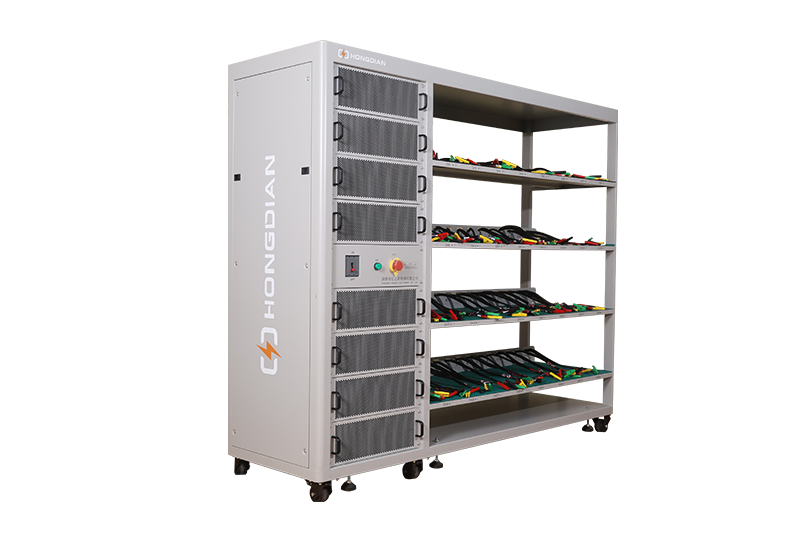 32/48 channel battery charging and discharging test integrated battery cabinet
  40 channel battery charging and discharging test integrated battery cabinet
  64 channel battery charging and discharging test integrated battery cabinet
 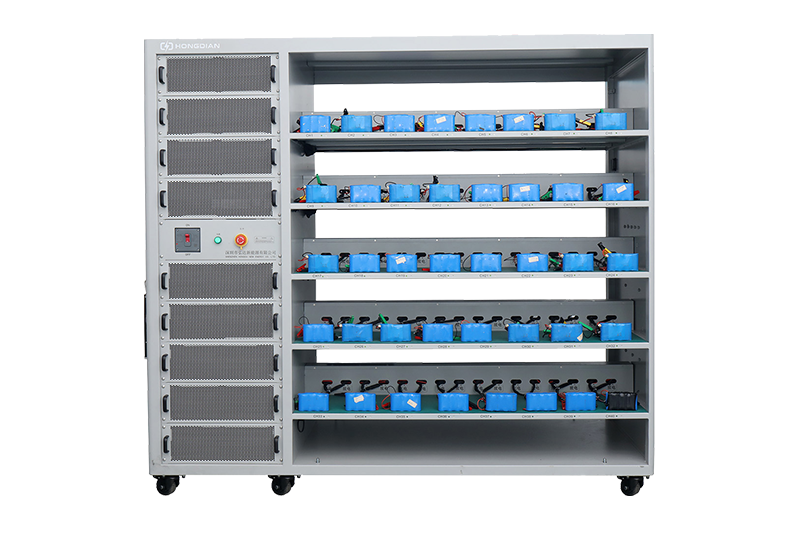 80 channel battery charging and discharging test integrated battery cabinet
 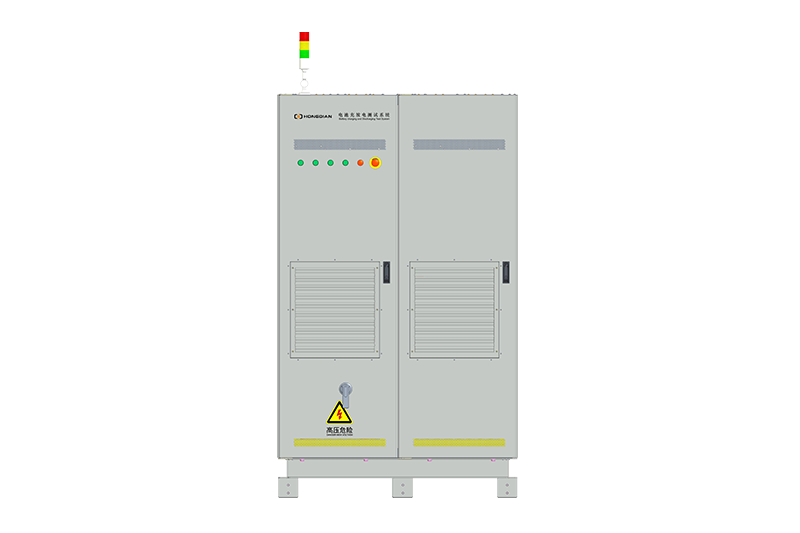 1000V-1500V High Voltage High Current Battery Testing System
 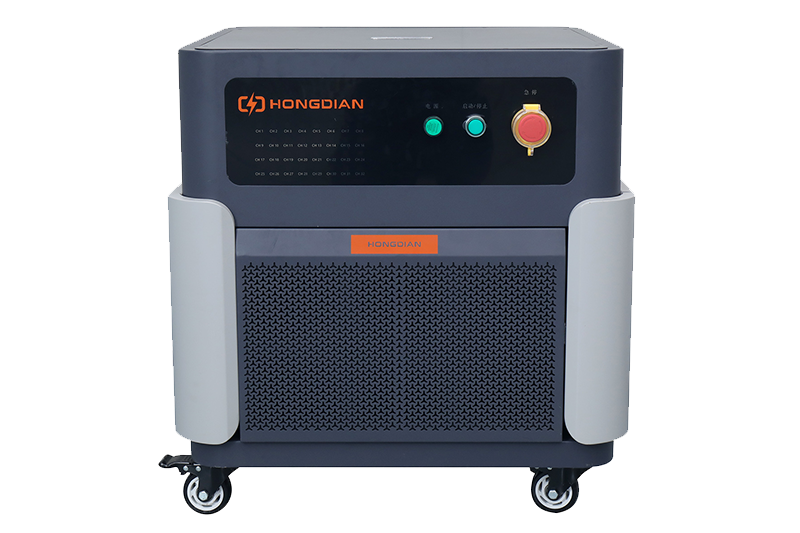 High-Precision Battery Testing System for Enhanced Performance Monitoring 30V/60V/100V/120V
 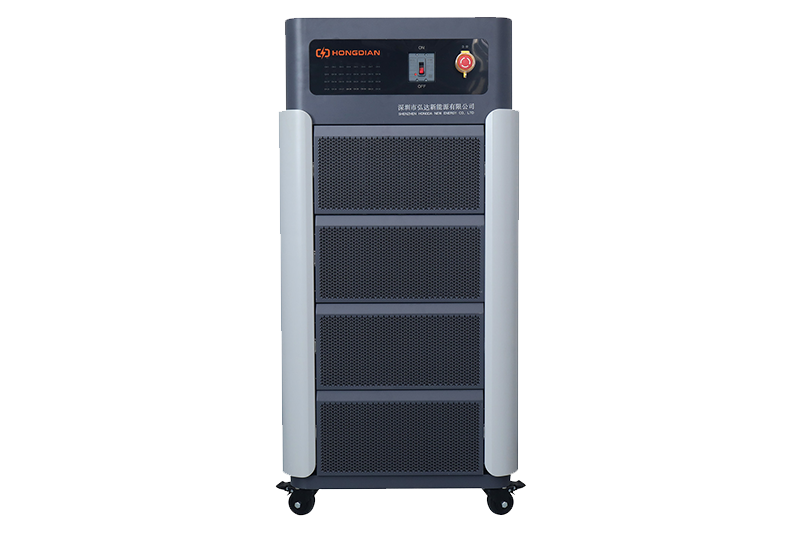 High-Precision Battery Charge Discharge Test Systems for EV Manufacturers
 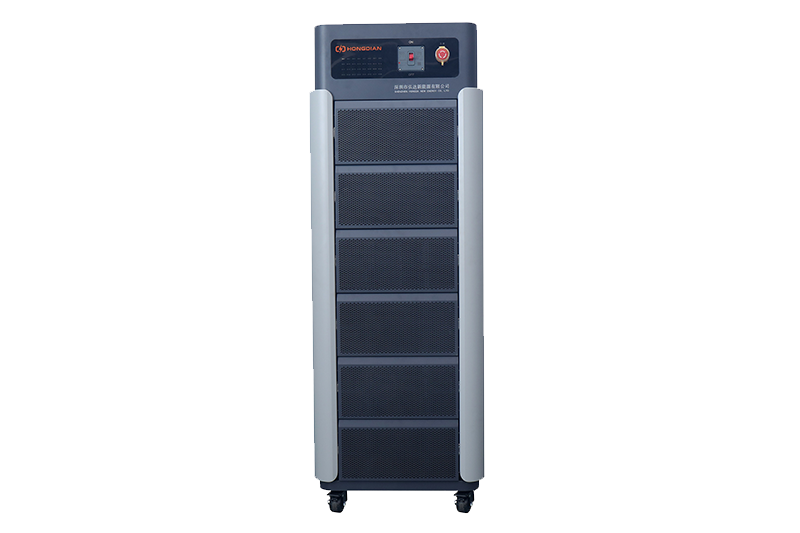 Precision Battery Test Racks for Cell Capacity & Internal Resistance Measurement
  Multi-Channel Battery Testing Equipment for Parallel Performance Analysis