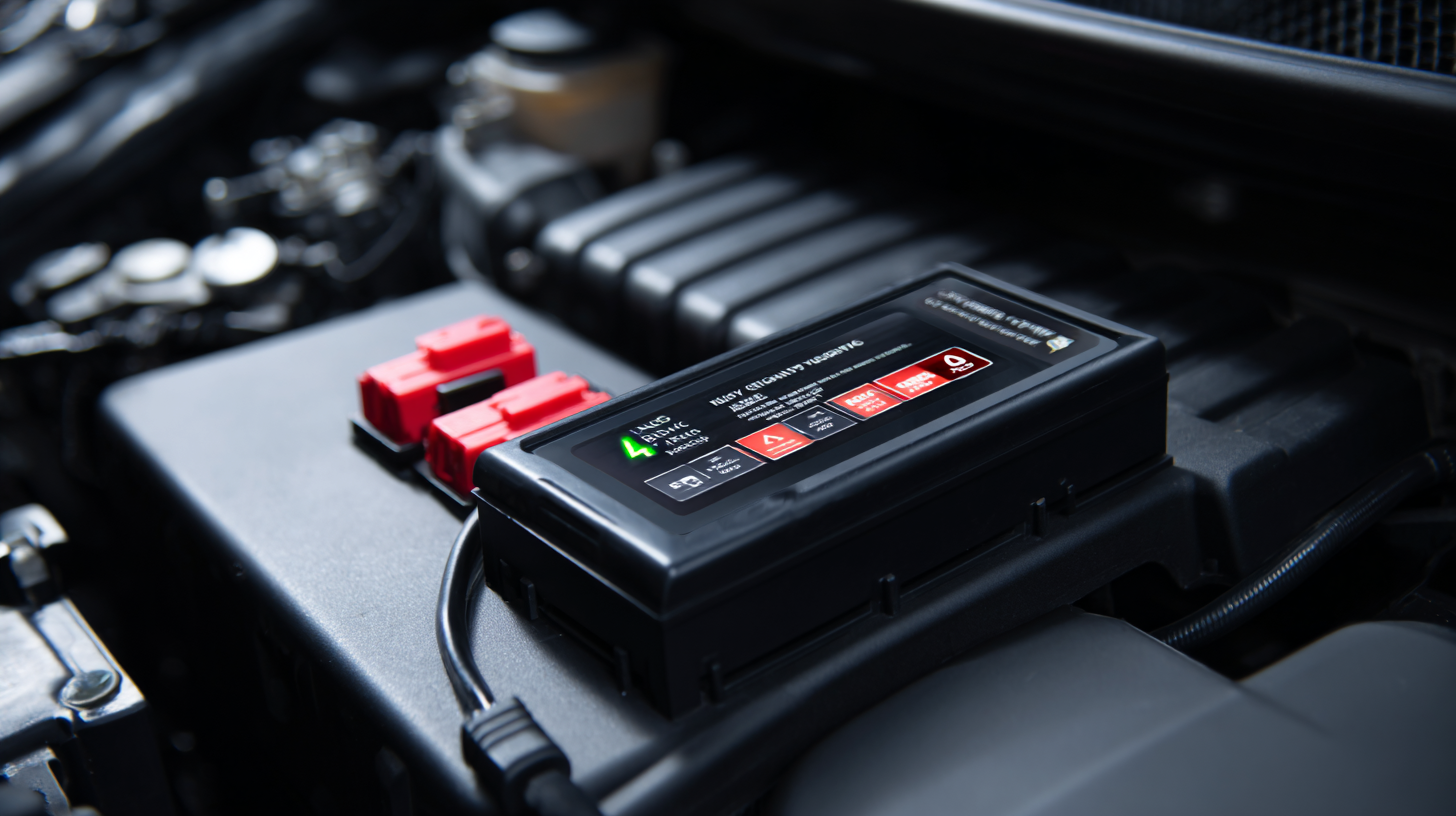
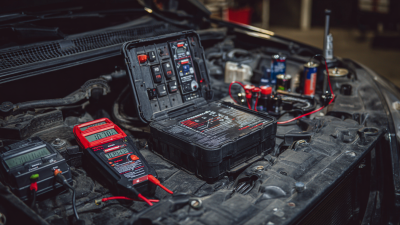
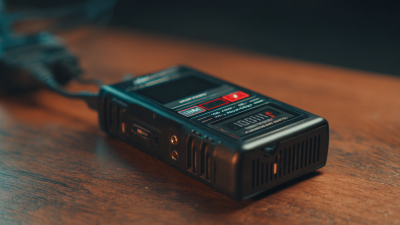
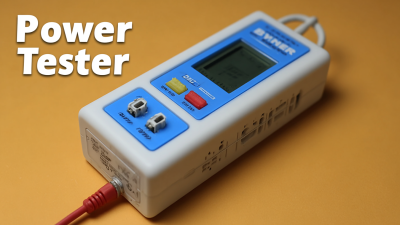
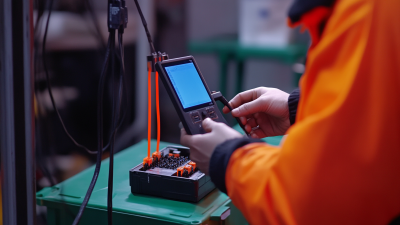
In today’s world, where sustainable energy solutions are more important than ever, Shenzhen Hongda New Energy Co., Ltd. is really making strides on the global stage with its innovative products — one of the favorites being our Battery Health Checker. Since we started out, we’ve had the pleasure of serving more than a thousand customers and have built a pretty solid sales network that reaches across various countries and regions. As we look to grow even more, our Battery Health Checker is pretty much a game-changer for both everyday users and businesses, helping to keep batteries performing their best and last longer. In this blog, I want to share how our dedication to quality in battery health tech not only improves the user experience but also helps us stand out as a leader in renewable energy. It’s a step forward that’s paving the way for us to expand even further worldwide.
Transformative Technologies Shaping Battery Health Checkers in 2025
Looking ahead to 2025, it’s pretty exciting how the tech world is about to change the game when it comes to monitoring and taking care of our batteries. With more and more electric cars hitting the roads and people relying on portable gadgets, having reliable battery health checks is more important than ever. Thanks to advances in AI and machine learning, these devices can now analyze things in real-time, even spotting potential issues before they become serious. It’s a total game-changer—making your life easier while also helping batteries last longer.
And get this, there's more! The integration of the Internet of Things (IoT)into Battery Checkers is really stepping things up. Imagine checking your battery’s health just by flipping open your phone. You get detailed insights on how your battery's doing and how to keep it in top shape. It’s all about giving us the power to make smarter choices—like when to charge or how to take care of our devices—so we're not wasting energy and being more eco-friendly. As these new techs keep improving, the best battery checkers will be the ones really leading the charge, making sure our gadgets perform their best every single day.
The Role of Quality Assurance in Global Market Expansion
In today’s really competitive world, you can’t underestimate how important quality assurance is, especially if you’re looking to grow your business globally. It’s kind of the backbone for building trust with customers all over the globe—making sure your products meet high standards no matter where you are. If you’re stepping into new markets, having a solid quality assurance plan can actually make or break your success. The right approach not only boosts your product’s reliability but also helps you stay in line with local rules and what customers expect. That way, you're setting yourself up for a smooth and successful entry.

Take the Best Battery Health Checker as an example—it's a great case of how putting quality first can really pay off. By following strict testing procedures and sticking to international quality standards, this product has become well-known in different regions. It shows that quality isn’t just a checkbox or formal thing—it’s a key driver behind innovation and making customers happy. As more companies start adopting similar practices to go global, they don’t just become competitors; they become leaders who truly care about delivering quality at every step of what they do.
Innovative Features to Look for in Advanced Battery Health Checkers
In today’s fast-changing tech world, having a good battery health checker is pretty much essential if you want your devices to last longer and perform their best. As we rely more and more on gadgets and electric cars, it’s a smart move to pick a tool that offers cool features to keep your batteries in top shape. Look for ones that can measure stuff like battery capacity, how many charge cycles it’s gone through, and even monitor temperature — all of which give you a well-rounded picture of your battery's overall health.
One thing that’s super handy is real-time monitoring. This way, you get instant alerts if something’s off with your battery, saving you from surprises. Plus, a good checker should tell you about your power usage trends, so you can charge smarter instead of just guessing. If you're eco-conscious, it’s worth finding tools that share tips for greener battery habits, which helps you stay kind to the planet.
When choosing a battery health checker, don’t forget to look for a user-friendly design. Something simple to navigate makes it easier to understand what’s going on with your devices — no need to be a tech whiz. By using these smart features, you’re not only extending your device’s lifespan but also doing your part to support a more sustainable future.
Strategies for Businesses to Adapt to Emerging Battery Technologies
As the global market for lithium-ion batteries keeps growing, businesses really need to figure out how to stay ahead with new battery tech. The push for greener transportation has driven up demand for EV batteries big time. Recent studies show that energy storage systems are now more than just a convenience — they’re key to integrating renewable energy sources and hitting our sustainability targets, especially with so many environmental challenges piling up. Companies can benefit from the latest advancements in battery tech by focusing on eco-friendly practices like recycling and urban mining — you know, reclaiming materials from used batteries — which is super important for saving resources.
Now, choosing the right battery for electric vehicles has gotten pretty complicated. Industry players are trying to stay flexible, knowing that the energy storage needs are constantly changing as the EV market grows rapidly. Experts say that smart investments in innovative battery tech will be crucial if companies want to stay competitive, especially since countries are all competing to lead the way in next-gen batteries. Being able to schedule battery use efficiently and adapt sustainably is a big deal for businesses looking to tap into this booming market while also helping out with the planet’s needs.
Battery Health Checker Adoption Over the Years
This chart illustrates the increasing adoption rate of battery health checkers from 2018 to 2023, showcasing a significant upward trend as businesses adapt to emerging battery technologies.
How Consumer Demand is Driving Battery Health Checker Innovations
Lately, it feels like everyone's talking about battery health checkers, right? They're really changing the game in the tech world, pushing new innovations that help our devices last longer and work more efficiently. Since smartphones and electric cars are pretty much part of our daily routines now, keeping an eye on battery performance isn't just something tech geeks care about anymore — it’s become a priority for everyday folks like you and me. That's why brands are adding smarter features to their gadgets, making them easy to use and giving us real-time updates so we can stay on top of our battery health without all the fuss.

If you’re using a battery health checker, here are a few tips to get the most out of it: try to check your battery regularly so you can catch any issues early on. It’s also super helpful to pick a device that teaches you best practices for charging—because let’s face it, charging the wrong way can really mess with your battery’s lifespan. And don’t forget to go for a checker that can show you how your battery is degrading over time; that way, you'll have a pretty good idea when it might be time to swap it out.
Looking ahead, as tech keeps advancing, we’ll probably see even more focus on making these tools more sustainable and efficient. There's a lot of buzz around AI and machine learning too — those could help us get even better insights and maybe nip problems in the bud before they happen, turning what used to be reactive battery management into something more proactive and, honestly, a lot smarter.
Hope this makes your battery checks a bit easier and more fun to deal with!
Future Trends: Sustainability and Environmental Impact in Battery Solutions
As the world gears up for a greener, more sustainable future, the market for battery management systems (or BMS for short) is really starting to take off. Experts are predicting that the BMS market, which was valued at around $11.42 billion in 2024, could skyrocket to nearly $47 billion by 2032. That’s a pretty hefty jump, with an average growth rate of about 19.3% each year. What’s driving all this? Well, there’s a big push for cleaner energy solutions and smarter ways to use batteries, especially in stuff like electric vehicles and renewable energy setups.
And it’s not just BMS that’s growing— the microgrid energy storage market is also gaining serious momentum. By the time 2032 rolls around, we can expect to see some really cool advancements in battery tech, especially with lithium-ion and sodium-ion batteries. These batteries are being used across a bunch of different areas — from tying together renewable energy sources to peak shaving and ensuring reliable power supply. Investing in these new techs is crucial if we want to keep up with the changing energy game. As more governments and companies get serious about sustainability, the future of batteries depends on innovations that boost performance but also cut down on environmental harm. Exciting times ahead, for sure!"
Global Expansion Through Quality: The Best Battery Health Checker Leads the Way - Future Trends: Sustainability and Environmental Impact in Battery Solutions
| Battery Type | Health Checker Technology | Sustainability Rating | Recyclability (%) | Year of Introduction |
| Lithium-Ion | Smart Diagnostic Tools | A+ | 85% | 2010 |
| Lead-Acid | Voltage and Capacity Monitoring | B | 95% | 2005 |
| Nickel-Metal Hydride | Cell Conditioning Technology | A | 90% | 2008 |
| Solid-State | Advanced Diagnostics | A++ | 80% | 2021 |
| Lithium Polymer | Integrated Health Checks | A | 75% | 2015 |
Maximizing Battery Performance: Exploring Precision Test Racks for Accurate Cell Capacity and Internal Resistance Measurement
In the quest for maximizing battery performance, precision in test measurement becomes paramount. The ability to accurately assess cell capacity and internal resistance is critical for industries reliant on battery technology. Recent industry reports indicate that up to 40% of performance issues in batteries can be traced back to inadequate testing methodologies. This highlights the need for advanced testing solutions that can accurately evaluate battery characteristics.
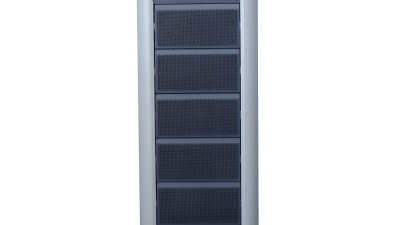
The introduction of specialized test racks, such as the 30U cabinet, revolutionizes the landscape for industrial-grade Battery Testing. This cabinet not only supports a voltage range of 60V to 150V but also offers up to 48 channels for simultaneous testing. Such capabilities allow for comprehensive assessments of multiple battery cells, enhancing efficiency while ensuring precise and reliable measurements. With the increasing complexity of battery systems, including higher energy densities and advanced chemistries, these precision test racks are pivotal in accelerating research and development efforts.
According to a recent study by the Battery Technology Association, accurate measurement of internal resistance and capacity can reveal degradation rates and performance bottlenecks that traditional testing methods may overlook. As the demand for high-performance batteries continues to rise amid the growth of electric vehicles and renewable energy storage, investing in sophisticated testing equipment becomes essential for manufacturers aiming to stay competitive and meet stringent quality standards.
FAQS
: Innovations in artificial intelligence and machine learning are enabling battery health checkers to provide real-time analyses and predict potential failures before they occur.
IoT integration allows users to access detailed analytics through their smartphones, providing insights into battery performance and empowering informed decisions about charging and maintenance.
Quality assurance builds trust with customers worldwide and ensures products meet high standards, which is crucial for successful market entry and customer satisfaction.
Businesses can develop strategies that focus on sustainable practices such as recycling and urban mining of end-of-life batteries to adapt to the growing battery market.
The commitment to decarbonization in the transport sector has led to increased demand for electric vehicle (EV) batteries, making energy storage technologies critical for sustainability goals.
Companies should critically evaluate their investments in battery innovations and implement flexible strategies to address the evolving energy storage needs in the expanding EV market.
Data analytics provides users with actionable insights into battery performance, optimizing charging habits and maintenance for improved battery longevity.
By adhering to international quality standards through rigorous testing, products like the Best Battery Health Checker gain recognition and market advantages in various regions.
Sustainable practices include recycling, urban mining of batteries, and implementing policies to efficiently schedule battery usage to support resource conservation.
Consumers benefit from enhanced convenience, longer battery lifespans, and more sustainable energy consumption practices driven by real-time monitoring and analytics.

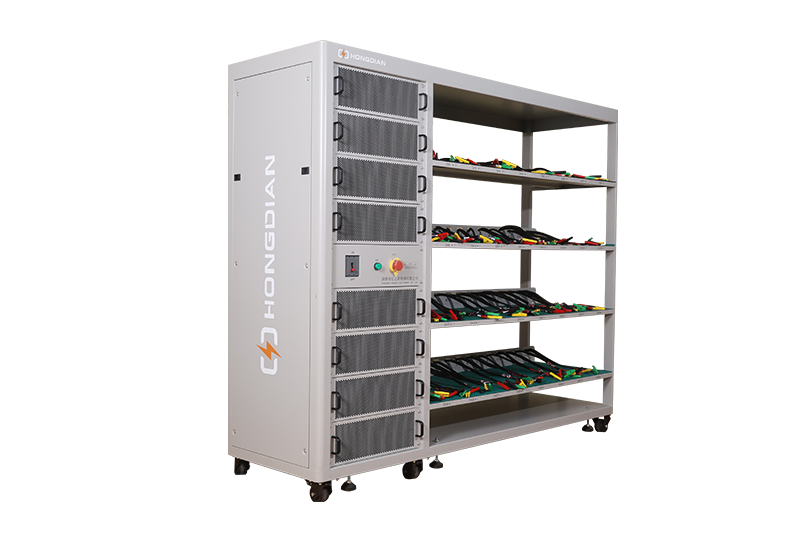 32/48 channel battery charging and discharging test integrated battery cabinet
 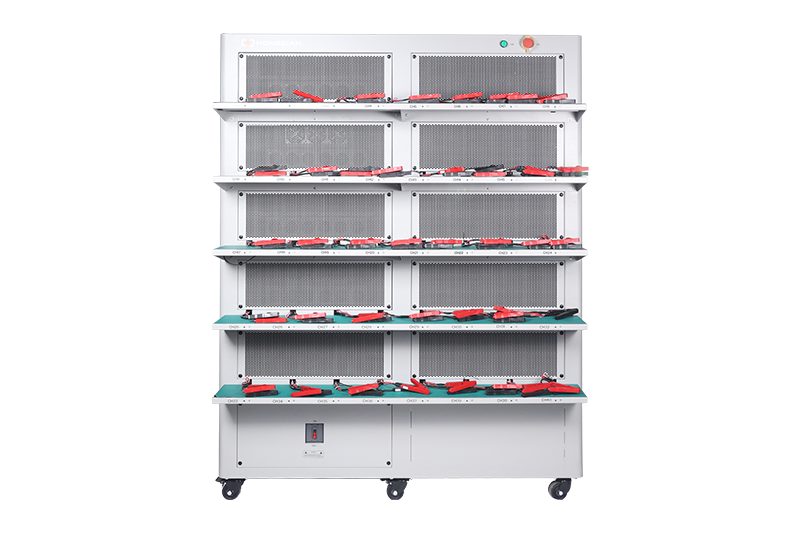 40 channel battery charging and discharging test integrated battery cabinet
  64 channel battery charging and discharging test integrated battery cabinet
 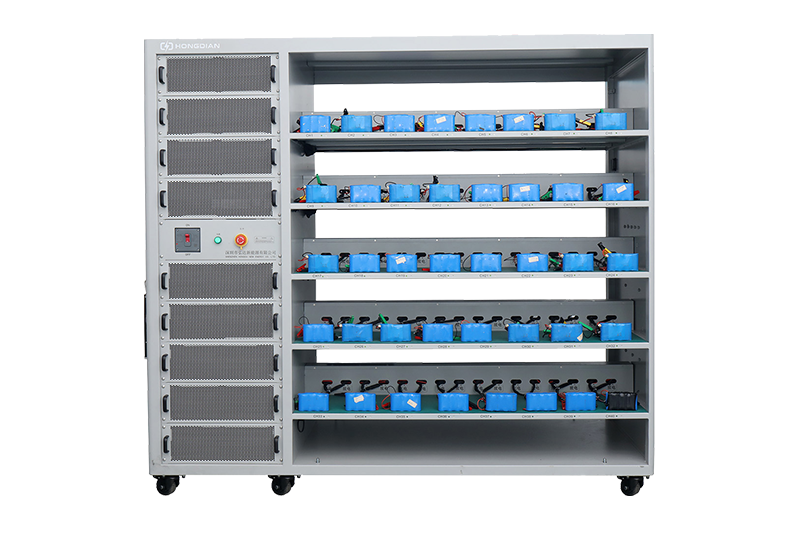 80 channel battery charging and discharging test integrated battery cabinet
 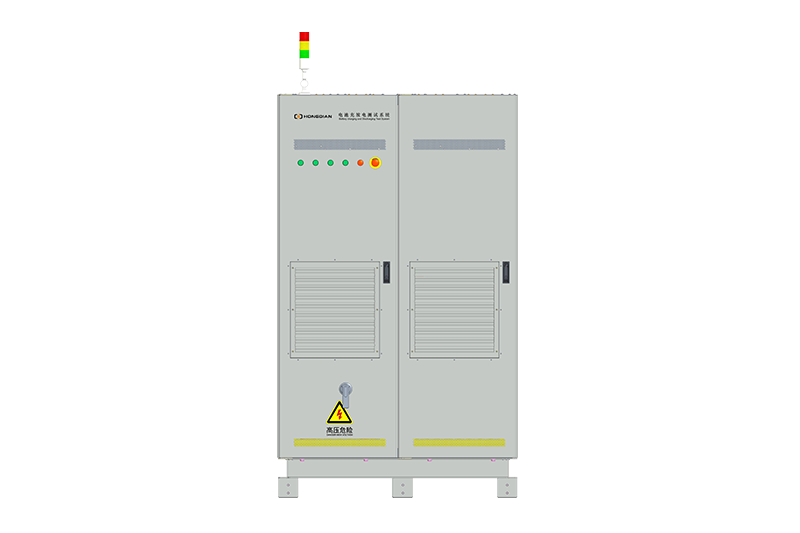 1000V-1500V High Voltage High Current Battery Testing System
 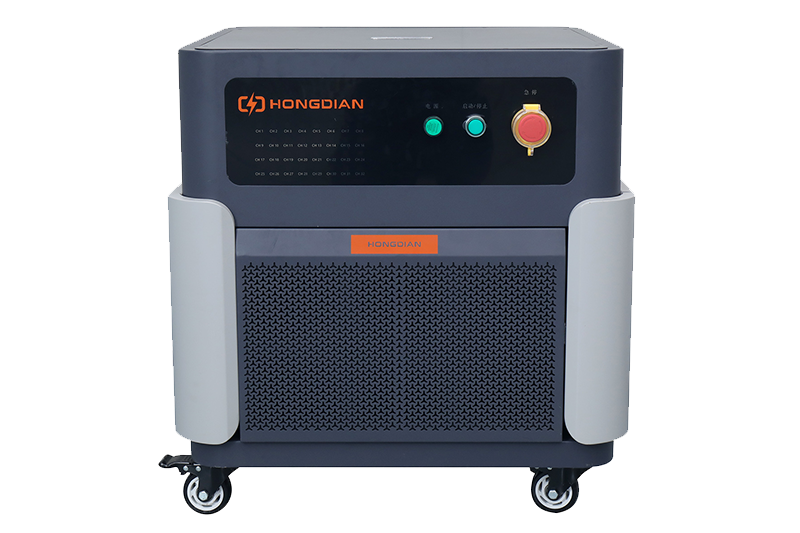 High-Precision Battery Testing System for Enhanced Performance Monitoring 30V/60V/100V/120V
 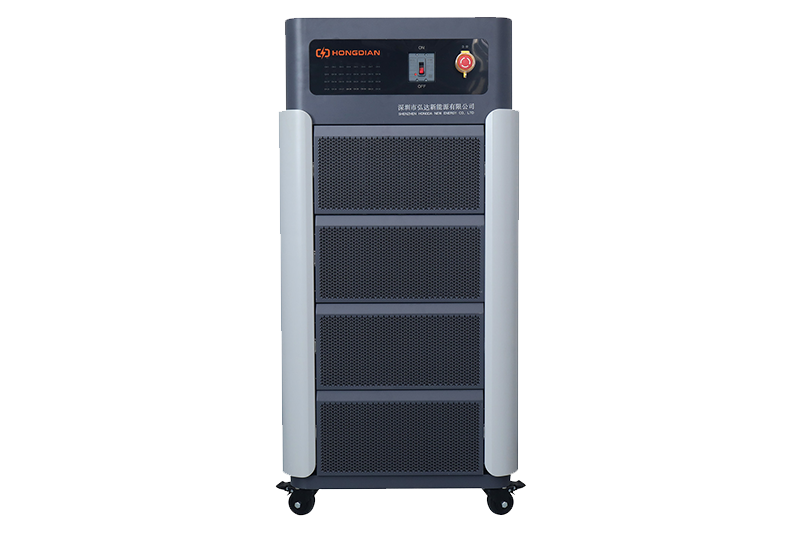 High-Precision Battery Charge Discharge Test Systems for EV Manufacturers
 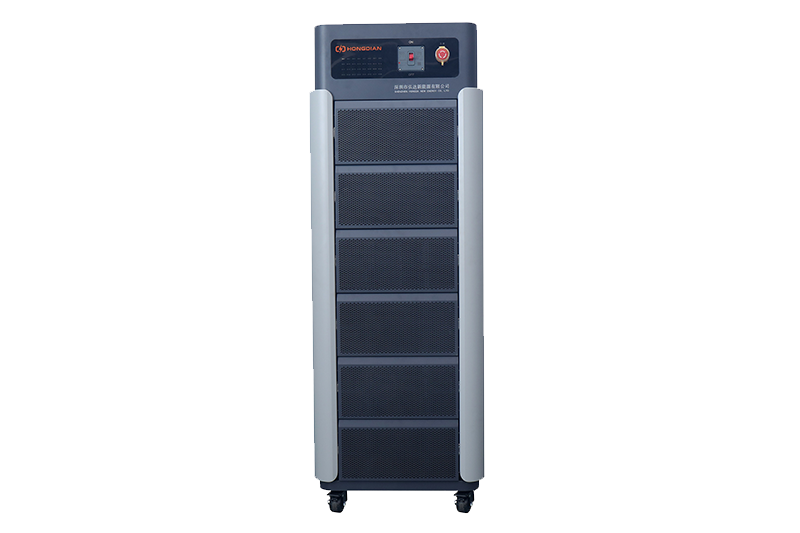 Precision Battery Test Racks for Cell Capacity & Internal Resistance Measurement
 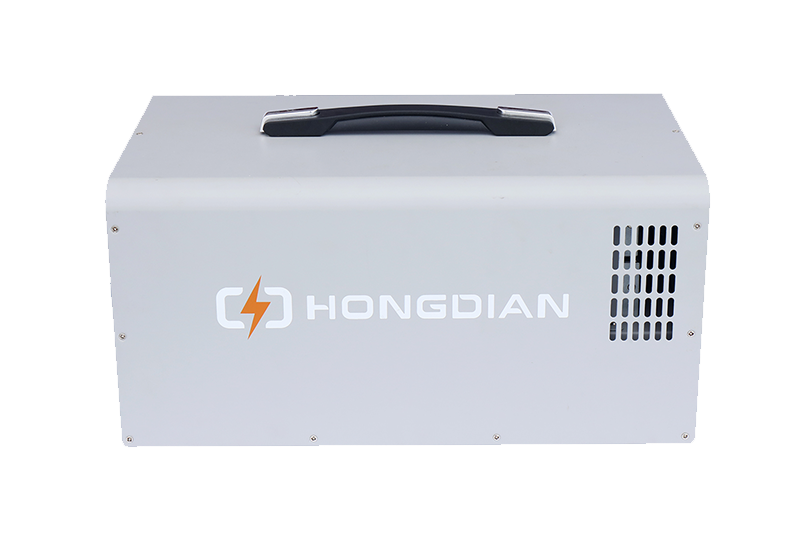 Multi-Channel Battery Testing Equipment for Parallel Performance Analysis